
What Human Food Dogs Love the Most?
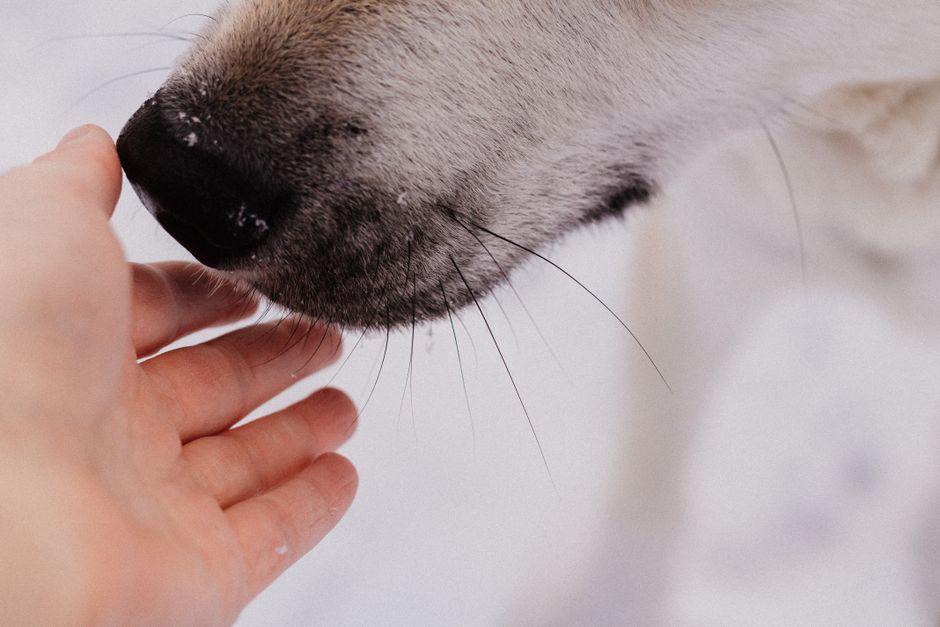
Human food dogs love often includes lean cooked chicken, carrots, apples, green beans, plain pumpkin, blueberries, and small amounts of peanut butter without xylitol. The best choice varies by dog. Offer tiny, plain pieces, check ingredients, and keep all treats within your dog’s daily calorie limit so balanced food remains the main diet.
What human food do dogs love the most?
Dogs often enjoy savory lean meat and sweet-smelling fruit, but there is no single human food every dog loves most. A small food-choice study reported that 43.75% of dogs showed the strongest preference for sausage, 31.25% for cheese, and 25% for a commercial liver treat. Those results describe the dogs tested, not a universal ranking.
For a practical ranked starting list, use these seven dog-safe options in plain, small portions:
- Lean cooked chicken: Offer boneless, unseasoned pieces. The ASPCA includes small amounts of lean cooked meat among shareable snacks.
- Carrots: Serve raw or cooked without seasoning, cut to a manageable size. UC Davis lists 50 g of raw baby carrots as 18 kcal.
- Apples: Remove seeds and core, then cut into small pieces. UC Davis lists 31 g of chopped raw apple as 14–16 kcal.
- Green beans: Cook plain, without seasoning. UC Davis gives 63 g (½ cup) of boiled green beans as 22 kcal.
- Plain pumpkin: Serve cooked and unseasoned, not a sweetened or spiced preparation.
- Blueberries: Offer a few at a time as small fruit treats.
- Peanut butter: Use only a small amount after checking that the label contains no xylitol. Peanut butter is high in fat, so it is not an unlimited treat.
The ASPCA also names bananas and strawberries as possible snack options. Individual health matters: UC Davis advises checking whether a particular treat suits the dog. For a broader safety list, see What Human Food Dogs Can’t Eat?
Why does my dog love human food so much?
Dogs are drawn to food smells, visible cues, and associations they have learned around meals. Their interest does not mean they understand what people are eating or that a food is safe for them.
The American Kennel Club explains that dogs rely heavily on smell to gather information. People have about 5–6 million scent receptors, while dogs may have 100 million or more depending on breed; the article reports about 300 million in Bloodhounds. A food’s odor can carry details a person does not notice, which helps explain why a dog investigates a plate before tasting anything.
Experience adds another layer. If a dog has received a morsel after sitting near the table, the setting and food cues can become linked with a reward. That learned pattern explains attention; it does not make table scraps a balanced meal.
What is the most irresistible food for dogs?
There is no proven universally irresistible food for dogs; the study’s sausage, cheese, and liver-treat results showed different favorites among the tested animals. A strong smell or familiar reward can attract one dog and leave another indifferent.
To find an individual favorite, start with tiny samples of safe foods, offered separately and plain. Note what the dog accepts readily, then compare another option at a different opportunity. Avoid turning the test into a large serving: the goal is to learn preference, not replace a meal.
Preparation is part of the test. Cut food into small pieces; cook vegetables without seasoning; remove fruit seeds, cores, stems, or peels as appropriate. Check peanut butter for xylitol, which the ASPCA warns can be lethal to dogs. Avoid chocolate, macadamia nuts, garlic, onions, grapes, and raisins. The ASPCA also warns against raw meat and eggs, which can carry Salmonella and E. coli, and raw bones, which can injure or obstruct the digestive tract.
For a detailed list of foods to avoid, consult the ASPCA Animal Poison Control Center. If a dog has eaten a potentially harmful food, contact a veterinarian or animal poison-control service for guidance.
Which safe human foods make the best high-value dog training treats?
The best high-value training treat is a safe food the individual dog wants and can eat in small pieces. Plain lean cooked chicken, a little carrot, or a tiny amount of another tested favorite can work when the pieces are easy to give during practice.
Research in Scientific Reports found that six of 16 dogs significantly preferred varied food rewards, six preferred a constant reward, and four showed no significant preference. At the group level, preference for varied rewards increased over six blocks of ten trials. This suggests that rotating a few accepted treats can help sustain interest during repeated training, while a steady favorite may suit another dog.
Keep the daily total in view. UC Davis says treats and additional food items should not exceed 10% of daily calories, with at least 90% coming from a complete, balanced diet. The ASPCA sets a more conservative snack guide of no more than 5% of daily calories. These guidelines differ, so a cautious approach is to keep snack portions modest and use the dog’s usual balanced food for routine rewards when suitable.
Extra calories accumulate across the day, even when each piece looks small. Count training rewards alongside other treats, and ask a veterinarian to tailor portions to the dog’s health circumstances. Treats should add variety and reinforce a behavior; they should not crowd out the food designed to provide balanced nutrition.
Frequently Asked Questions
How can I tell which human foods my dog likes best?
Offer one safe, plain food at a time in a small piece, then watch whether your dog accepts it and stays engaged. Compare options across separate opportunities rather than offering a large mixed plate. A study of 16 dogs found preferences differed, and reward variety helped maintain motivation at the group level.
How much human food can I give my dog as a treat?
UC Davis says treats and other extra foods should provide no more than 10% of daily calories, with at least 90% from a complete, balanced diet. The ASPCA recommends snacks at no more than 5% of daily calories. Since needs vary by dog, keep portions small and ask your veterinarian about your dog’s health and calorie needs.
What do dogs hear when we talk?
Dogs hear human speech, but they do not process it exactly as people do. They can learn cues and link words or sounds with actions, rewards, and context. Familiar words and similar-sounding nonsense words can be hard for them to distinguish.
Sources
- University of California, Davis, School of Veterinary Medicine — Treat Guidelines for Dogs
- ASPCA Animal Poison Control Center — Sharing is Caring: Foods You Can Safely Share with Your Pet
- Scientific Reports — Incentive motivation in pet dogs: preference for constant vs varied food rewards
- American Kennel Club — Why Does My Dog Sniff Everything? Making Sense of Scents & Noses
- American Kennel Club — How Much Language Do Dogs Really Understand?
- ASPCA Animal Poison Control Center — People Foods to Avoid Feeding Your Pets
What Human Food Dogs Can’t Eat?
Human food dogs can’t eat includes grapes, xylitol, chocolate, onions, macadamia nuts, alcohol, and raw yeast dough; contact a vet after suspected exposure.

Which Interdental Cleaner Fits My Teeth and Dental Work?
Choose floss, interdental brushes, or a water flosser based on gaps, braces, implants, gum recession, and hand control.

Could Painful Swallowing or Heartburn Be Esophagitis?
A symptom-to-cause guide to reflux, pill-related, allergic, and urgent esophagitis signs.

Choose an Upwork Videographer Who Delivers the Right Video
Compare Upwork videographers by relevant work, scope, and deliverables, with rates and project examples to guide your budget.