
What Can I Snack On for Protein, Sweetness, or Crunch?
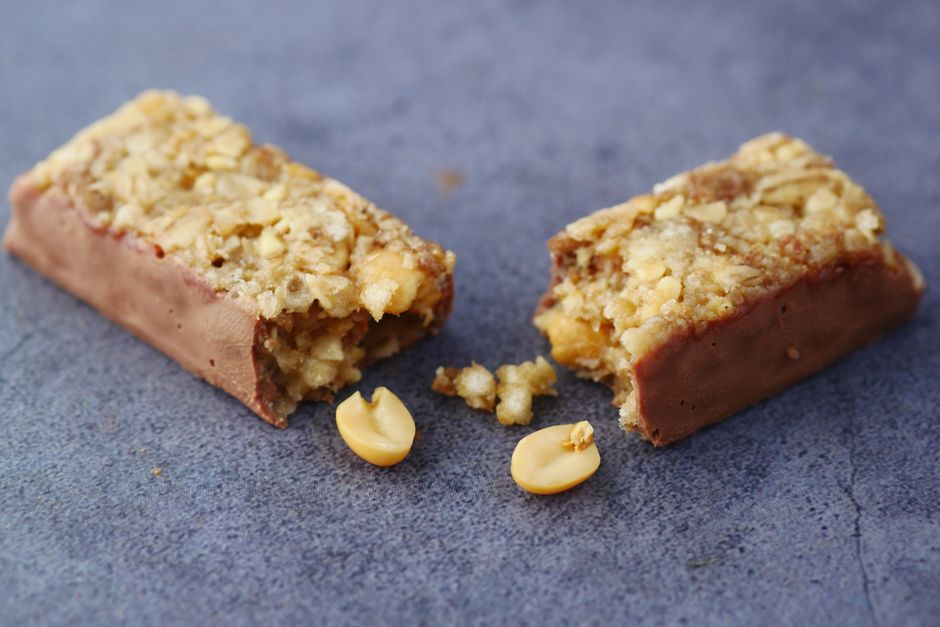
For a no-cook protein snack, pair yogurt, cheese, hummus, nuts, or nut butter with fruit or vegetables. For a sweet choice, try yogurt with berries or apple with nut butter; for a salty crunch, add hummus or cheese to whole-grain crackers, or season popcorn. Pairing protein with fiber-rich produce or whole grains gives a snack more staying power than choosing crunch or sweetness alone.
What can I snack on that has protein but takes no cooking?
For protein without cooking, choose yogurt, string cheese, nuts, nut butter, hummus, or ready-to-eat turkey, then add fruit, vegetables, or whole-grain crackers. The pairing matters: a protein food alongside a carbohydrate offers a more complete snack than a handful of crackers on its own.
MedlinePlus recommends pairing protein with a carbohydrate to help a snack keep you full longer. Its examples include apple with string cheese, whole-wheat crackers with peanut butter, carrots with hummus, and plain yogurt with fresh fruit. These are practical combinations for a desk drawer, work break, or quick stop between tasks.
For a dairy-free option, try apple or pear with nut butter, carrots with hummus, or a small bowl of trail mix made with unsalted nuts, seeds, and dried fruit. The USDA MyPlate guide also suggests homemade trail mix and advises portioning snacks ahead for grab-and-go convenience. Its examples of food-group pairings include yogurt and berries, apple with nut butter, and whole-grain crackers with turkey and avocado. See the USDA MyPlate healthy-snacking guide for these combinations.
Use what is already ready to eat. A can of chickpeas can be drained and paired with a crunchy vegetable; cooked beans can be spooned onto crackers or eaten with salsa if available. The federal Dietary Guidelines fiber table lists 6.3 grams of fiber in a half cup of cooked chickpeas and 7.5 grams in a half cup of cooked black beans. Those figures describe the listed portions, not a required snack serving.
What are easy sweet snacks that keep you full?
Easy sweet snacks that combine protein and fiber include plain yogurt with fresh berries, apple with nut butter, or fruit alongside cheese. Sweetness does not require a dessert-like packaged snack; fruit can supply it, while a protein food makes the pairing more substantial.
The USDA MyPlate guide recommends apples, pears, grapes, and fresh berries as quick sweet options. Pair them with yogurt or nut butter when you want more than fruit alone. If you prefer a spoonable snack, plain yogurt with fresh fruit follows the MedlinePlus example of protein paired with carbohydrate.
A small study offers a useful, limited comparison. In a randomized crossover study of 20 healthy women, researchers compared three 160-calorie snacks: yogurt with 14 grams of protein, crackers with no protein, and chocolate with 2 grams. The yogurt snack reduced afternoon hunger more than chocolate and delayed the start of eating by about 30 minutes compared with chocolate. Participants also ate about 100 fewer kilocalories at dinner after yogurt than after chocolate; the difference compared with crackers was not statistically significant. The short study and small group limit how broadly its results apply, but it supports yogurt as one option rather than proving that every person will respond the same way. The findings are reported by Ortinau and colleagues in Nutrition Journal.
For something sweet and crunchy, air-pop popcorn and add cinnamon with a few dark chocolate chips. The USDA Agricultural Research Service suggests this variation, along with using herbs, smoked paprika, or nutritional yeast for savory flavor. Keep toppings modest: the same source advises limiting heavy butter or salty additions.
What salty snacks have more protein than chips?
For a salty snack with more protein than plain chips, pair whole-grain crackers with hummus, cheese, peanut butter, or turkey and avocado. These combinations add protein to a crisp base and can also bring fiber or produce into the snack.
Hummus with carrots is a no-cook choice with crunch and a creamy dip. Whole-wheat crackers with peanut butter suit a pantry snack; crackers with cheese or turkey work when those foods are available. Check the package label for serving size and sodium, since salty foods can vary, and portion crackers into a bowl rather than eating straight from the box.
Popcorn is another crunchy base, though it is not a high-protein food by itself. USDA’s Agricultural Research Service identifies popcorn as a 100% whole grain. Its article reports that three cups of air-popped popcorn provide about 5.8 grams of fiber according to the federal fiber table, and about 15% of the daily fiber amount most people need. A three-cup serving has about 100 calories before toppings, according to the same USDA article. Use herbs, smoked paprika, or nutritional yeast for savory flavor, then pair the bowl with a protein food if protein is the goal.
The fiber table gives a quick comparison for crunchy and pantry options: one ounce of whole-wheat crackers has 2.9 grams of fiber, three cups of popcorn has 5.8 grams, and a medium apple with skin has 4.8 grams. One cup of raspberries provides 8.0 grams. The source notes these are standard portions that provide at least 2.8 grams of fiber; they are not necessarily recommended serving sizes. Think of the figures as a way to compare choices, not as a target for every snack.
Make the choice fit the craving. Choose hummus and carrots for savory crunch, fruit and nut butter for sweet-and-creamy, or lightly seasoned popcorn when the main desire is volume and crispness. Add protein when fullness is the priority, and check labels for sodium and added sugars. Small pairings can turn a snack from a pause in eating into a more complete bite.
Frequently Asked Questions
How can I make a snack from common pantry ingredients?
Mix unsalted nuts, seeds, and dried fruit for trail mix, or season plain popcorn with herbs, smoked paprika, or nutritional yeast. Whole-wheat crackers with peanut butter are another quick pairing. Portion the snack into a bowl or container instead of eating from the package.
How do I choose a filling snack without counting calories?
Pair a protein food with a fiber-rich carbohydrate or produce, such as hummus with carrots, yogurt with fruit, or peanut butter with apple. Choose options you enjoy, check serving sizes and labels for sodium and added sugars, and portion them before eating.
Sources
- U.S. Department of Agriculture, MyPlate: Healthy Snacking With MyPlate
- MedlinePlus Medical Encyclopedia: Healthy Snacks
- U.S. Department of Agriculture, Agricultural Research Service: Popcorn, a Healthy Whole-Grain Snack
- Dietary Guidelines for Americans: Food Sources of Fiber
- Ortinau et al., Nutrition Journal (PubMed)
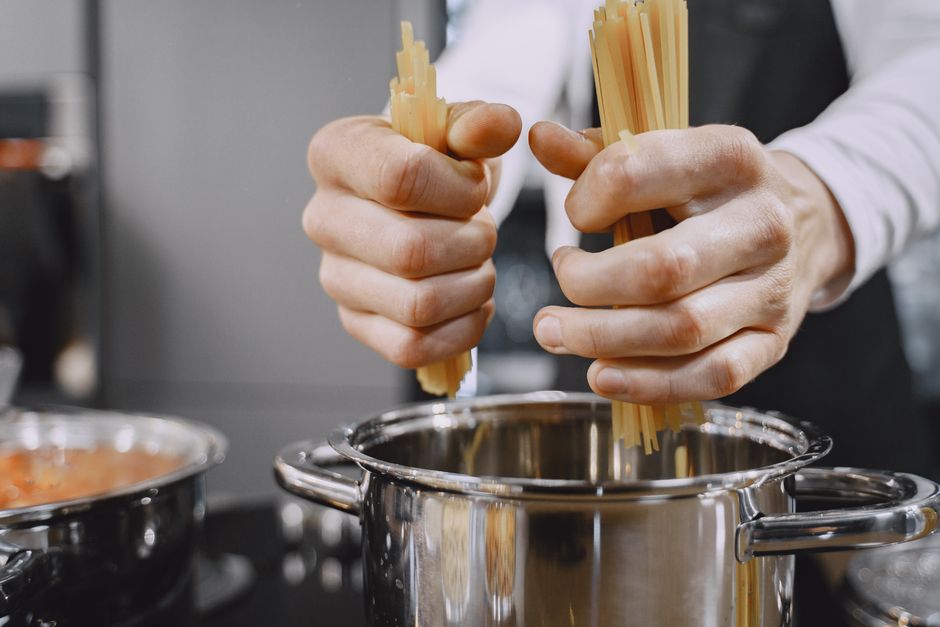
How Do I Keep One-Pot Pasta, Rice, and Meat from Overcooking?
Match liquid and timing to pasta, rice, and meat for one-pot meals with better texture and safely cooked poultry.
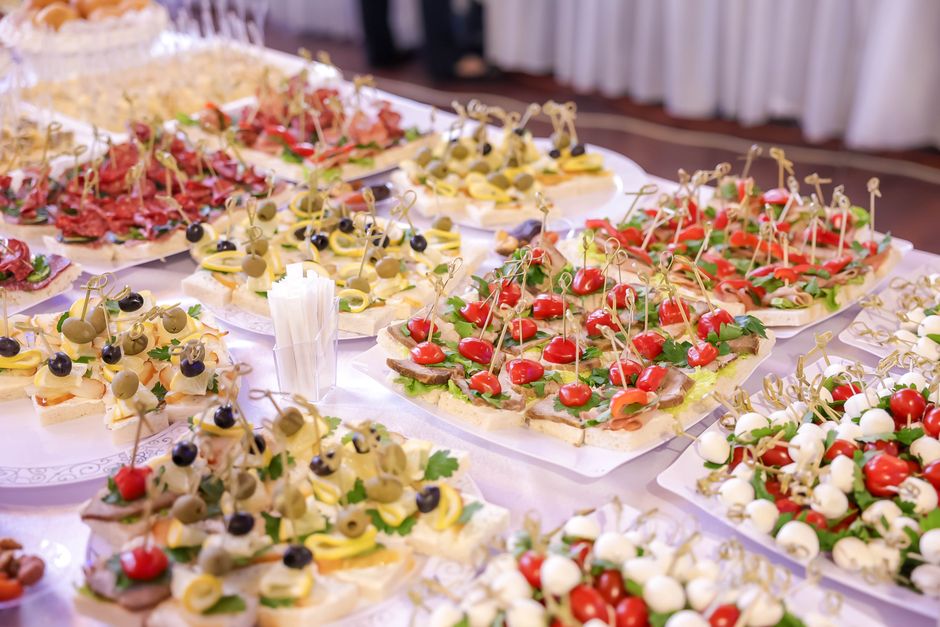
Wedding Catering: Choose a Service Style and Build Your Budget
Compare wedding catering styles, understand per-person averages, and check quotes, venue logistics, and dietary needs before signing.