
Can You Be Depressed Without Feeling Sad?
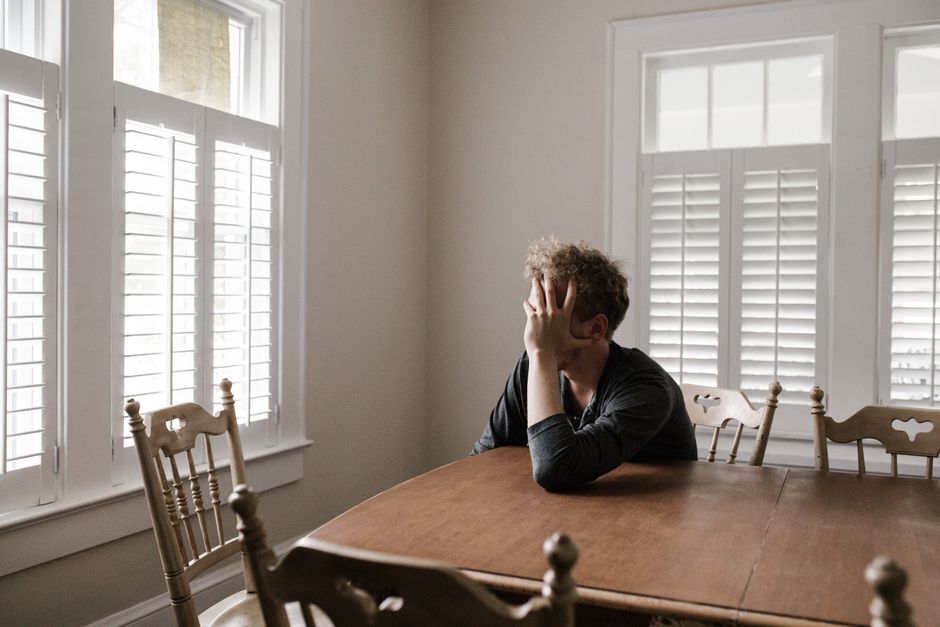
Yes. Depression can show up as emotional numbness, irritability, loss of interest, fatigue, concentration problems, sleep or appetite changes, or physical discomfort—not only persistent sadness. A clinician considers how symptoms cluster, how long they last, and whether they cause distress or disrupt daily life; a symptom checklist can help start that conversation, but it cannot diagnose depression on its own.
Can I be depressed if I don't feel sad?
Yes. Not feeling persistently sad does not rule out depression. According to the National Institute of Mental Health (NIMH), symptoms can include loss of interest or pleasure, frustration or irritability, low energy, trouble concentrating or making decisions, changes in sleep or appetite, and physical aches or digestive problems.
That range matters because people often look for one defining emotion and miss a broader change in how they function. Work may take more effort, decisions may feel unusually difficult, or activities that once mattered may stop holding attention. These signs are not proof of depression individually; they are reasons to consider the whole pattern.
NIMH says symptoms of major depression need to occur most of the day, nearly every day, for at least two weeks, and cause distress or interfere with daily functioning. The World Health Organization (WHO) likewise distinguishes depression from regular mood changes and everyday feelings, and notes that it can affect relationships, work, school, and home life. Duration and impact help organize the question; they do not replace a clinical assessment.
Is feeling emotionally numb a sign of depression?
Emotional numbness can be part of the picture, but it does not establish a diagnosis by itself. NIMH notes that some older adults may report a lack of emotions rather than depressed mood, a reminder that depression does not look identical from person to person.
There is also an important distinction between feeling emotionally flat and feeling sad: numbness can mean a reduction in positive feelings, negative feelings, or both. A peer-reviewed scoping review by Jawad and colleagues examined 25 original studies on emotional blunting in people with depression. The authors found that the available literature did not reliably separate emotional blunting as a depression symptom from a possible antidepressant side effect, and it could not provide a reliable estimate of how common the experience is.
That uncertainty is useful information, not a reason to dismiss the experience. If numbness is new, persistent, or affecting relationships or daily tasks, describe when it began and what has changed. Include any medicines and relevant health changes in the conversation; NIMH says a health care provider can assess symptoms and check for other causes, including certain medications and medical conditions.
Can irritability or anger be a symptom of depression?
Yes. Irritability and anger can occur with depression, even when sadness is not the emotion someone notices most. NIMH notes that young adults may appear irritable or angry, and lists irritability and frustration among possible symptoms.
Track the change rather than judging yourself for it. For a provider, a useful description is specific: “I have been snapping more than usual, and it is affecting conversations at home,” or “I feel on edge and have stopped enjoying things I used to do.” Those phrases connect an emotion to its duration and effect, which gives the discussion more useful detail than a label alone.
A checklist can help you prepare, but it is not a verdict. MedlinePlus, from the U.S. National Library of Medicine, explains that screening questions may cover mood, sleep, energy, appetite or weight, concentration, stress, medicines, life changes, substance use, and personal or family history. Screening results help a provider decide whether depression may be present and how severe it may be; additional assessment may be needed. There is no laboratory test that diagnoses depression, although a provider may order blood tests to look for other causes such as anemia or thyroid disease.
Before an appointment, note what changed, how long it has been happening, and which parts of daily life are affected. This turns a vague concern into a clearer starting point. If thoughts of suicide or self-harm arise, seek help right away: NIMH and MedlinePlus advise calling or texting 988 in the United States. In a life-threatening situation, call 911.
Frequently Asked Questions
How is depression different from stress or a temporary low mood?
Everyday mood changes and stress do not automatically mean depression. Depression is considered in light of a pattern of symptoms, how long they persist, and whether they disrupt work, relationships, or life at home. A provider can assess the pattern and consider other possible causes.
When should I talk with a doctor about possible depression?
Consider arranging an assessment when symptoms persist, cause distress, or interfere with daily functioning, especially when they occur most of the day, nearly every day, for at least two weeks. A provider can review symptoms, medicines, and medical conditions that might contribute. If thoughts of suicide or self-harm arise, seek help right away; in the United States, call or text 988.
For a practical next step, write down the changes you have noticed, when they began, and one way they affect your day. Bring that short record to a health care provider and use it to start the conversation.
Sources
- National Institute of Mental Health (NIMH), Depression
- MedlinePlus, U.S. National Library of Medicine, Depression Screening
- World Health Organization, Depression
- Jawad et al., Human Psychopharmacology: Clinical and Experimental
Disclaimer: This article is for general information only and is not medical advice. It is not a substitute for diagnosis or treatment by a qualified healthcare professional. Always speak to your doctor before acting on anything you read here.

What Can I Do When I Can't Fall Asleep?
Practical steps for a difficult night, how stimulus control works, and when persistent insomnia merits assessment or CBT-I.

What Early Changes May Signal Bipolar Disorder in a Teen?
Learn which sustained changes in a teen’s sleep, energy, mood, and behavior may warrant professional evaluation—and how to prepare for it.